
Home Mining vs Hosted Mining
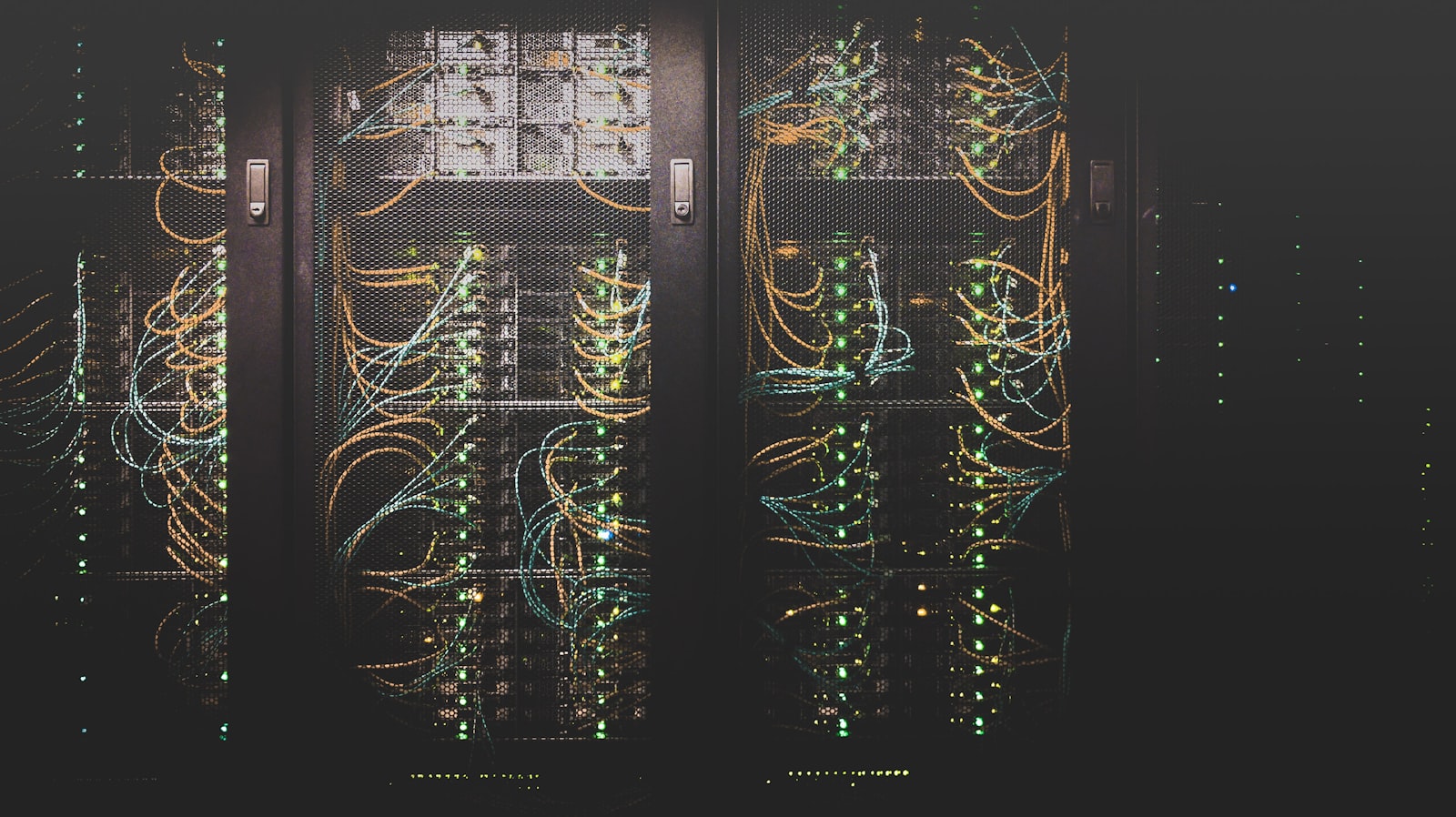
The same rig running in your garage versus running in a Texas data centre can produce wildly different net returns. The choice between home and hosted comes down to four factors: your electricity rate, your tolerance for noise and heat, your time, and your scale.
Home mining
You buy the rig, plug it into your home’s power, and run it yourself.
What works
- You keep 100% of the mined BTC minus your local electricity cost. No hosting markup.
- The rig is physically in your possession. No counterparty risk on the hosting facility.
- Setup is instant — no lead time for shipping to a data centre and rack provisioning.
- You have direct control: firmware updates, pool changes, troubleshooting on your own clock.
What doesn’t
- Noise. A single air-cooled ASIC at full load runs at 75–80 dB — vacuum-cleaner loud, continuously, 24/7. Not viable in a residential environment without dedicated soundproofing or a detached structure.
- Heat. 3,500 W of continuous heat output. In a closed garage in summer, you’re cooking the rig (which then throttles or fails). You need either active extraction or air conditioning.
- Power. Most home circuits are 15–20 A at 120 V (1,800–2,400 W) or 220 V abroad. A modern miner needs a dedicated 240 V circuit on a 30 A breaker. Often requires an electrician and panel work.
- Time. When something fails — and something will — you’re the technician. Fan replacement, hashboard diagnosis, firmware reflashing, pool reconfiguration after pool downtime.
- Internet. Mining requires stable, low-latency connection. Residential connections work fine, but downtime is your loss.
When it’s the right choice
Home mining works when all of these are true: power below ~$0.06/kWh, an acoustically isolated space (detached garage, outbuilding, basement with sound treatment), willingness to handle hardware issues yourself, and small scale (1–4 units).
Hosted mining
You buy the rig and ship it to a data centre. The host provides power, cooling, network, and basic management for a fee — typically billed per kWh consumed plus a service margin.
What works
- Industrial-rate electricity. A reputable host will pass through power at $0.06–$0.08/kWh all-in, even if local commercial rates in your area are $0.15+.
- Professional cooling. Heat and humidity are controlled; rigs run cooler and last longer.
- 24/7 uptime monitoring. Failed fans, dropped pool connections, hashboard issues are caught and triaged by on-site technicians.
- No noise or heat in your home.
- Scales linearly. Going from 1 unit to 10 to 100 has no operational complexity for you.
What doesn’t
- You don’t physically have the rig. If the host disappears, files for bankruptcy, or refuses to release your hardware, recovery is legal and slow.
- Hosting contracts can be predatory. Watch for: variable power rates that ratchet up after the first month, “maintenance fees” that effectively cap your returns, minimum-term commitments, exit fees, and clauses that let the host migrate your rig between facilities without consent.
- The host’s margins erode yours. A typical hosting deal charges 15–30% above their actual cost of power. You’re paying for service, but it’s a real cost.
- Shipping risk. Sending a $4,000 rig across borders introduces customs delays, damage risk, and insurance complexity.
When it’s the right choice
Hosting works when: your local power is > $0.10/kWh; you don’t have viable physical space; you’re scaling beyond 4–5 units; or you simply don’t want to be a hardware technician on the side.
Cost comparison: 1 × Antminer S21 XP, 12 months
| Home @ $0.06/kWh | Home @ $0.15/kWh | Hosted @ $0.075/kWh all-in | |
|---|---|---|---|
| Electricity (3.5 kW × 8,760 h) | $1,840 | $4,600 | $2,300 |
| Hosting service margin | — | — | (included in $0.075) |
| Cooling/ventilation amortised | $300 | $300 | — |
| Shipping to host (one-time) | — | — | $200 |
| Annual op-cost | $2,140 | $4,900 | $2,500 |
| Annual gross revenue (~$8.50/day) | $3,100 | $3,100 | $3,100 |
| Annual net | +$960 | −$1,800 | +$600 |
Home wins on cheap power. Hosted wins on expensive power. The crossover is around $0.08/kWh for home power.
Hybrid approaches
For larger operators (10+ units), hybrid setups are common: keep a few units on-site for testing and firmware experiments, host the bulk in a low-cost facility. This protects you from total loss in a host failure while capturing hosting economics on the majority.
What to look for in a host
If you decide to host, vet the facility on these signals:
- Power-source transparency — hydro, gas, grid mix. Cheap power that depends on a single dam or single contract is more fragile than diversified-grid commercial power.
- Tier of facility — purpose-built mining sites have better cooling and uptime than retrofitted warehouses.
- Contract terms — fixed-rate for at least 12 months, no unilateral migration, clear exit terms.
- Insurance coverage — does the facility insure against fire, flood, theft? Are individual rigs covered?
- Track record — how long has the operator been running, and through what conditions (the 2022 Texas grid crisis is a useful filter; operators that survived it learned something).
For most first-time buyers we recommend starting with one rig at home if your conditions allow, learning what mining feels like operationally, then deciding whether to scale at home or transition to hosting. Browse the Bitcoin miners we stock, run the profitability calculator against your local power rate, or request a quote if you’d like to discuss hosting partners we work with.