
Immersion Fluid Maintenance: Keeping the Tank Healthy
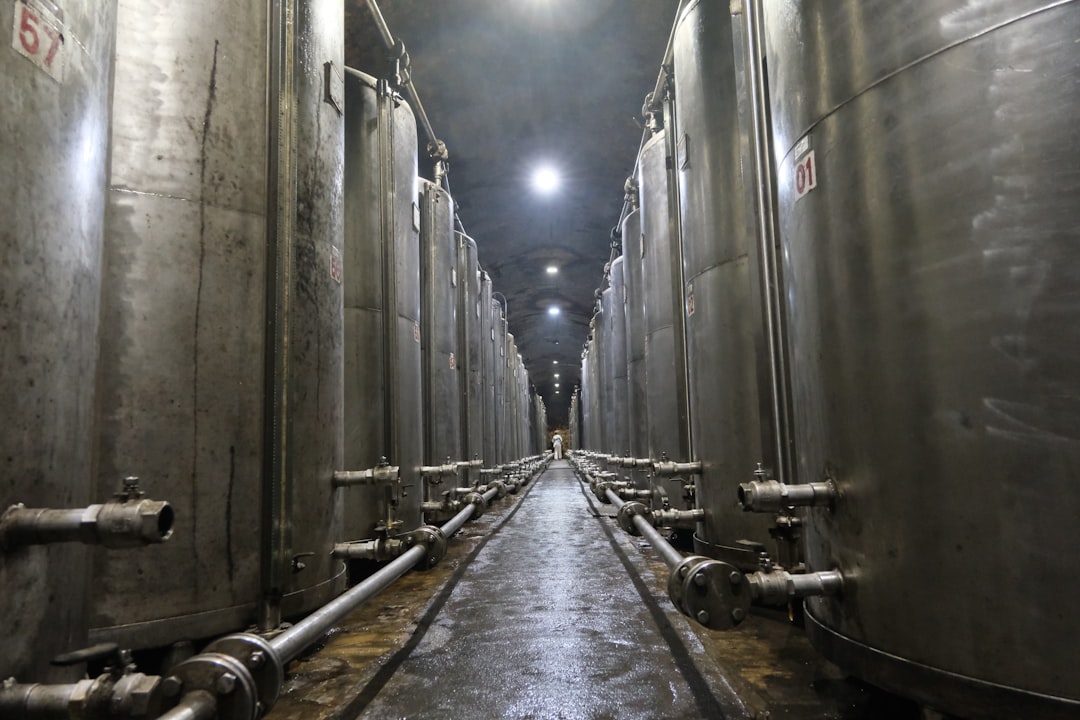
Immersion cooling submerges entire ASIC miners in a dielectric fluid that carries heat away far more effectively than air, enabling dense, quiet, high-hashrate deployments like the Bitmain S21 XP Immersion. The fluid is the heart of the system, and like any working fluid it degrades, absorbs contaminants, and loses performance if neglected. Immersion fluid maintenance keeps the tank cooling efficiently and protects the hardware sitting in it. This guide covers testing and monitoring the fluid, controlling the contaminants that shorten its life, filtration and top-ups, and the safety practices that working around large volumes of fluid and submerged electronics demands.
Why immersion fluid needs maintenance
A dielectric immersion fluid does two jobs: it conducts heat off the boards and it stays electrically non-conductive so the submerged hardware runs safely. Both properties can degrade. Single-phase fluids accumulate moisture, dust, and particulate over time; contaminants can lower the dielectric strength and reduce heat transfer. Some fluids interact with certain plastics, adhesives, or thermal pads inside the miners, leaching material into the fluid or degrading components. Fluid that has overheated repeatedly or aged can change viscosity, which affects circulation.
The payoff for keeping fluid healthy is steady cooling and long hardware life; the cost of neglect is rising temperatures, potential electrical issues, and premature component wear. Operators evaluating fluid choices should also read our single- vs dual-phase fluid comparison, since the maintenance routine differs between the two.
What to monitor in the fluid
Track these indicators. Temperature — fluid inlet and outlet temperatures, trended against chip temperatures, reveal whether the fluid and heat-rejection loop are keeping up. Clarity and color — fresh fluid is typically clear; cloudiness, darkening, or visible particulate signals contamination or degradation. Moisture and dielectric strength — water ingress lowers dielectric strength; some operators periodically test fluid with the manufacturer’s recommended method or send samples for analysis. Level — fluid level drops slowly through evaporation, drag-out (fluid clinging to removed units), or top-side losses, and submerged hardware must stay fully covered.
Set a monitoring cadence appropriate to your tank size and how often hardware is added or removed, since every service that opens the tank introduces a chance for contamination.
Routine maintenance tasks
Filtration
Many immersion systems run the fluid through filters to capture particulate. Service or replace filters on schedule; a clogged filter restricts circulation and a neglected one lets contaminants accumulate. Particulate control is the single biggest lever for fluid longevity.
Top-ups and drag-out control
Replace fluid lost to evaporation and drag-out with the same approved fluid — never mix incompatible fluids. When pulling a unit for service, let it drain over the tank to recover fluid and minimize loss. Drips outside the tank are both a fluid cost and a slip hazard.
Contamination prevention
Keep the tank covered when not being serviced to limit dust and moisture ingress. Service hardware in a clean area. Avoid introducing incompatible materials — gloves, tools, and any add-on components should be fluid-safe.
Servicing hardware in a tank
Pulling a miner from immersion for repair or inspection is routine but requires care. Power the unit down through the controller and isolate it electrically per the system’s design before lifting it. Let it drain over the tank. Work on submerged hardware on a clean, fluid-tolerant surface, and remember that components are coated in fluid that can spread to floors and tools. When returning a unit to the tank, ensure it is fully and correctly submerged with no air pockets trapped against the boards.
Because the miners themselves still contain a mains-fed PSU, the same internal-repair cautions from air-cooled units apply — see our hashboard repair guide for the board-level diagnosis steps once a unit is out of the fluid and safely de-energized.
Safety with immersion fluids and electronics
Read the fluid’s safety data sheet and follow it. Dielectric fluids vary in flash point, skin-contact guidance, and ventilation requirements; treat the manufacturer’s SDS as authoritative. Always de-energize and electrically isolate hardware before removing it from the tank — never lift an energized unit. Large fluid volumes are heavy and slippery, so plan lifting and spill containment; a slip near electrical equipment is a real hazard.
Opening a miner’s chassis to repair it still voids most warranties and exposes mains-voltage components, so the unplug-and-discharge rule holds even for immersion hardware. Leave tank plumbing, pump electrical work, and facility wiring to qualified trades. Dispose of spent fluid responsibly per local environmental regulations — do not drain it to sewer.
When to replace fluid or call a specialist
Fluid that has lost dielectric strength, darkened significantly, or accumulated contamination that filtration cannot clear needs replacement, not just topping up. Persistent moisture, evidence of fluid-material incompatibility, or a tank that no longer holds temperature after filtration service all warrant escalation to the fluid supplier or a system specialist. Given the cost of bulk dielectric fluid and the value of the submerged fleet, fluid analysis from the manufacturer is worth doing before a wholesale change. Operators weighing the economics of an immersion deployment versus air-cooled alternatives can compare hardware in the Coin Web Mining shop.
Material compatibility — the hidden failure mode
Dielectric immersion fluids do not interact neutrally with every material, and incompatibility is one of the less obvious ways a tank degrades. Certain fluids attack specific plastics, rubbers, adhesives, or thermal pads inside the submerged miners, softening seals, leaching plasticizers into the fluid, or breaking down the thermal interface materials on the boards. The result can be cloudy or contaminated fluid, components that degrade prematurely, and cooling performance that drifts down over months. Single-phase and two-phase fluids differ in their compatibility profiles, which is one more reason the single- versus dual-phase choice carries through into maintenance.
The defenses are to use only the fluid the system and hardware are validated for, and to keep incompatible materials out of the tank entirely — gloves, tools, gaskets, and any add-on components should be confirmed fluid-safe before they ever touch the fluid. When fluid analysis comes back showing dissolved material or unexpected contaminants, material incompatibility is a prime suspect, and continuing to run risks both the fluid and the hardware. Documenting which fluid is in service and which components are submerged makes it possible to trace a contamination problem to its source rather than guessing.
Drag-out, evaporation, and keeping hardware covered
Immersion fluid leaves the tank by more routes than most operators anticipate, and each loss is both a cost and a contamination opportunity. Evaporation slowly lowers the level over time, varying with fluid type and tank temperature. Drag-out — fluid clinging to a unit pulled for service — can remove a surprising volume with each removal, which is why letting a unit drain fully over the tank before moving it is worth the wait. Top-side spills and splashes during service add to the loss and create slip hazards around electrical equipment.
Replacing those losses with the same approved fluid keeps the submerged hardware fully covered, which is non-negotiable: a board or component left exposed above the fluid line loses its cooling and can overheat. Every time the tank is opened for a top-up or a service, dust and moisture get a chance to enter, so keeping the tank covered between services and working in a clean area limits the contamination that filtration then has to remove. Tracking top-up volumes over time also gives an early read on whether losses are normal evaporation or something faster, like an unnoticed leak or excessive drag-out from frequent servicing — a trend worth watching alongside fluid clarity and temperature.
Building an immersion maintenance schedule
Immersion rewards a documented routine. Set intervals for fluid inspection, filter service, level checks, and periodic dielectric or sample analysis, scaled to tank size and service frequency. Log every top-up, filter change, and hardware insertion or removal so contamination trends are traceable. Keep approved fluid, spare filters, and spill-containment materials on hand. Tie the schedule into the wider cadence in our preventive maintenance schedule so the fluid system gets the same disciplined attention as the hardware it cools.
Filtration as the primary lever for fluid life
Of all the maintenance tasks an immersion system asks for, filtration does the most to extend fluid life, because particulate is the contaminant that filtration can actually remove on an ongoing basis. Dust that enters when the tank is opened, fine debris shed by hardware, and any precipitate from the fluid itself all circulate as particulate that degrades heat transfer and can settle on surfaces. A filtration loop continuously pulls these out, keeping the fluid clear and the cooling efficient. The catch is that filters only work if they are serviced — a clogged filter restricts circulation, which raises temperatures, and a neglected one stops capturing contaminants entirely while the operator assumes it is still protecting the fluid.
Treat filter service as a scheduled, non-negotiable task with the same weight as coolant inspection. Replace or clean filters on the manufacturer’s interval, adjusted shorter if the fluid clouds quickly or the tank is opened often. Pair filtration with disciplined contamination control — keeping the tank covered between services, working in a clean area, and excluding incompatible materials — so the filters are removing a manageable particulate load rather than fighting a constant flood of new dust. When fluid stays cloudy despite diligent filter service, the problem has moved beyond particulate to dissolved contamination or material incompatibility, and that is the point to involve the fluid supplier with a sample for analysis rather than continuing to chase it with filters alone.
References
- Bitmain immersion miner documentation — Bitmain
- Canaan Avalon immersion specifications — Canaan
- ASIC immersion miner reference — ASIC Miner Value
How do I know when immersion fluid needs replacing?
Can I mix different immersion fluids?
Is it safe to pull a miner out of an immersion tank for service?
Sizing up an immersion deployment or comparing it to air cooling? The Coin Web Mining catalog lists immersion-ready and standard miners with live pricing, and bulk orders can begin with a quote.